This content was aggregated from local dealer data and insights provided by the USA Today Network Automotive Insights team using Google Gemini and the Vehicles for Sale Near Columbus marketplace writing team.
Family vehicles have to handle much more than the morning commute. Between school drop-offs, grocery runs, weekend activities and longer trips beyond Columbus, versatility can matter as much as comfort or performance. The 2026 Toyota Highlander is a three-row midsize SUV designed around those competing demands, combining flexible passenger space with useful cargo capacity, available upscale amenities and all-weather capability. For families in Delaware and the greater Columbus area, understanding how its seating arrangements, powertrains and trim levels differ can help narrow down the right configuration.
The Toyota Highlander occupies a useful middle ground for shoppers who need three rows but do not necessarily want the dimensions of a larger full-size SUV. Its cabin can accommodate up to eight occupants in configurations equipped with a second-row bench, while models fitted with second-row captain's chairs seat seven.
That flexibility is important for families because the ideal seating arrangement depends on how the SUV will be used. An eight-passenger layout provides an extra seating position when friends or extended family come along. Captain's chairs, meanwhile, give second-row occupants individual seating and can make movement through the cabin easier.
The Highlander's third row adds another layer of flexibility. Families can use it when additional passenger capacity is needed and fold it when cargo space takes priority. With both rear seating rows folded, the Highlander provides substantially more room for larger loads, making the same vehicle useful for weekday errands, sports equipment and road-trip luggage.
Powertrain choice also affects the ownership experience. The 2026 Highlander lineup includes conventional gasoline and hybrid configurations, depending on trim. The gasoline powertrain uses a turbocharged 2.4-liter four-cylinder engine rated at 265 horsepower. Hybrid models emphasize fuel efficiency and use Toyota's electrified powertrain technology.
For central Ohio families, drivetrain configuration is another consideration. Available all-wheel-drive systems can provide additional traction when conditions become slippery from rain or winter weather. AWD does not replace appropriate tires or careful driving, but it can be useful for year-round travel in Ohio's changing conditions.
Rather than treating every Highlander as essentially the same SUV, shoppers should look at how equipment changes as they move through the lineup. The value question is less about finding one universally "best" trim and more about deciding which features a household will regularly use.
Entry configurations emphasize the Highlander's fundamentals: three-row seating, everyday technology and Toyota's suite of active safety and driver-assistance features. Moving into higher configurations adds combinations of upgraded cabin materials, convenience equipment and additional technology. At the upper end of the lineup, Limited and Platinum models place more emphasis on premium comfort and amenities.
That gives shoppers several ways to approach the vehicle. A family primarily interested in seating and utility may not need the equipment of the highest trim. Someone planning to keep the SUV for years and spend considerable time commuting or traveling may place more value on upgraded seating, larger displays or other comfort features.
A family SUV is only useful when its cabin works for the people riding in it. The Toyota Highlander's three-row layout allows families to adjust the interior as passenger and cargo requirements change.
The first and second rows are likely to handle most everyday passenger duty. Depending on configuration, the second row uses either a bench or two captain's chairs. The bench maximizes total seating capacity, while captain's chairs separate the seating positions and create a different cabin arrangement for families that regularly carry children or adults in the second row.
The third row can accommodate additional passengers when required, although—as with many midsize three-row SUVs—shoppers who expect adults to occupy the third row frequently should sit in it during a test drive and evaluate space for themselves. Families can also check how easily children can enter and exit the rear and whether their particular child-restraint setup works with their preferred seating arrangement.
Everyday convenience extends beyond the number of seats. Available equipment varies by trim and can include features such as heated and ventilated front seats, upgraded upholstery, a power liftgate and other comfort-focused amenities. Upper configurations add more premium appointments for shoppers who want their family vehicle to double as a comfortable commuter or road-trip SUV.
The Highlander's relatively flexible cabin is especially helpful when plans change during the day. A school run might require all three rows in the morning, while an afternoon trip to a home-improvement store could call for folding seats to create more cargo room.
Cargo flexibility is one of the most important specifications to consider when researching a three-row SUV. Toyota lists approximately 16 cubic feet of cargo capacity behind the third row, roughly 48 cubic feet behind the second row, and up to about 84 cubic feet with the second and third rows folded, with exact figures depending on configuration.
Those numbers illustrate how dramatically the Highlander's purpose can change simply by rearranging its seats. Keeping all three rows upright leaves space for everyday bags and smaller loads. Folding the third row provides considerably more room for groceries, sports gear or luggage. Folding the rear rows opens the cabin for bulkier items.
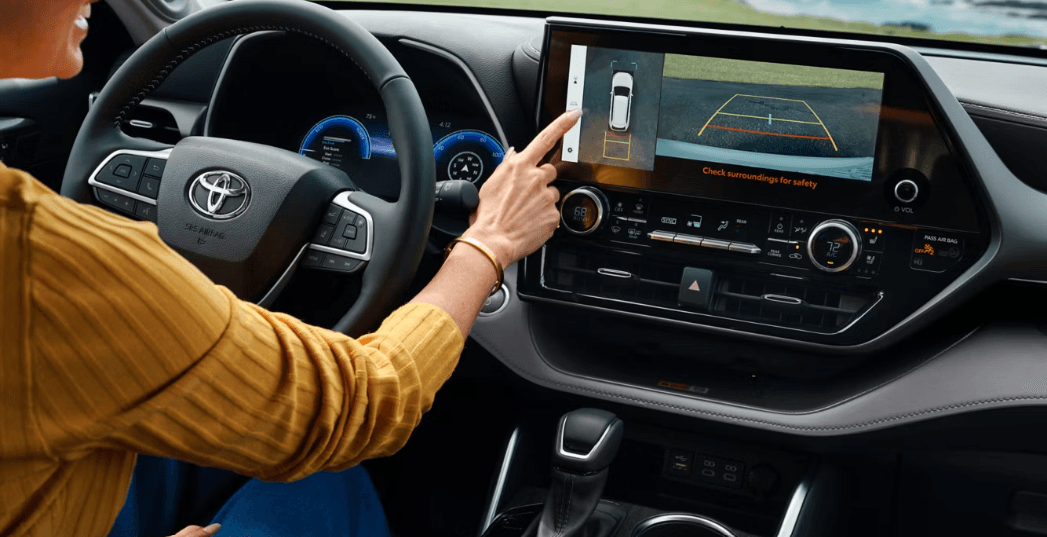
Technology is increasingly important in a family vehicle, particularly when several occupants bring phones and other devices along. Highlander configurations offer Toyota's multimedia system, with screen size and equipment varying by trim. Smartphone integration through Apple CarPlay and Android Auto helps drivers access compatible navigation, audio and communication functions through the vehicle's interface.
Higher trim levels can add larger displays and additional technology. When comparing configurations, shoppers should consider whether they genuinely value the larger interface and premium conveniences or whether the standard technology already covers their needs.
The Highlander also incorporates Toyota's active safety and driver-assistance technology. Toyota Safety Sense includes systems designed to assist the driver with functions such as detecting potential frontal conflicts, monitoring lane position and maintaining a selected following distance when adaptive cruise control is in use.
These technologies are assistance systems rather than substitutes for an attentive driver. Still, features involving collision warnings, lane support and adaptive cruise control can be particularly relevant to families that spend significant time on highways around Columbus.
For gasoline Highlander models, the 2.4-liter turbocharged four-cylinder engine produces 265 horsepower and is paired with an eight-speed automatic transmission. Properly equipped gasoline models can tow up to 5,000 pounds, although actual towing capability depends on the vehicle's configuration and equipment.
Families planning to tow should verify the rating for the exact Highlander they are considering and account for passengers, cargo, trailer equipment and tongue weight rather than relying solely on the maximum advertised figure.
Hybrid versions take a different approach. Their principal appeal is reduced fuel consumption compared with the conventional gasoline powertrain, which can become meaningful for households accumulating substantial mileage through commuting, school transportation and family travel.
Central Ohio gives a family SUV a varied workload. A Highlander used in Delaware might spend weekdays on local streets before traveling south toward Columbus on US-23 or connecting with the region's interstate network. On weekends, the same vehicle may need to carry sports equipment, shopping bags or luggage for trips outside the metro area.
The Highlander's midsize dimensions can be advantageous in this environment. It provides three-row utility without requiring buyers to move automatically into a much larger SUV. That can make parking lots, neighborhood streets and daily errands easier to manage while retaining the ability to carry additional passengers.
Ohio weather also makes drivetrain choice worth considering. Front-wheel drive can meet the needs of many households, while shoppers who frequently encounter snow, slush or wet winter roads may prefer an available all-wheel-drive configuration. Tire condition remains critical regardless of drivetrain.
For longer highway drives, comfort and driver-assistance technology become more noticeable. Adaptive cruise-control functionality can assist with maintaining a selected following interval, while the flexible cabin gives families options for balancing passengers and luggage.
Fuel economy is another consideration for drivers who routinely travel between Delaware and Columbus. A household covering substantial annual mileage may find the Highlander Hybrid particularly relevant. A buyer prioritizing conventional turbocharged performance or the gasoline model's available maximum towing capability may reach a different conclusion.
The most useful way to compare Highlander trims is by identifying which equipment will affect everyday life.
LE-oriented configurations focus on the core three-row SUV experience and are worth considering for shoppers prioritizing fundamental utility and safety technology.
XLE configurations add comfort and convenience equipment and can appeal to families seeking additional amenities without moving directly to the most premium versions.
Limited configurations emphasize upgraded interior appointments and technology, making them relevant for shoppers who spend significant time in the vehicle and value a more upscale cabin.
Platinum configurations sit toward the premium end of the Highlander range, adding further comfort and technology features for buyers who want the most extensively equipped version.
Hybrid availability gives shoppers another dimension to consider. Instead of viewing the hybrid solely as a trim upgrade, it makes sense to compare powertrain characteristics, expected annual mileage and driving patterns. Fuel savings become more significant as yearly mileage increases, while towing or other performance requirements may make the gasoline configuration more appropriate for some households.
Because equipment, powertrain availability, MSRP and option packages can change by configuration, shoppers should compare the current Toyota specifications and window sticker for the individual vehicle they are considering.
The Highlander can seat up to eight people when equipped with a second-row bench. Configurations with second-row captain's chairs generally seat seven. Families expecting to use every seating position frequently should test the third row in person, especially if adults or taller teenagers will regularly sit there, and verify compatibility with any child-restraint systems they use.
The Highlander provides approximately 16 cubic feet behind the third row, around 48 cubic feet with the third row folded and up to roughly 84 cubic feet with both rear rows folded, depending on configuration. That flexibility lets Columbus-area families trade passenger capacity for luggage, sports equipment or larger cargo as their plans change.
Available AWD can provide additional traction when roads are affected by rain, snow or slush, conditions central Ohio drivers can encounter during the year. It does not shorten braking distances by itself or eliminate the need for suitable tires and careful driving. Buyers should weigh those benefits against the characteristics and costs of their chosen drivetrain.
The gasoline Highlander uses a 2.4-liter turbocharged four-cylinder engine producing 265 horsepower and offers up to a 5,000-pound maximum towing rating when properly equipped. Hybrid configurations instead prioritize fuel efficiency. For Delaware and Columbus commuters covering many miles each year, the hybrid's fuel consumption may be particularly relevant, while towing requirements may favor a gasoline configuration.
It depends on which features the household will actually use. More accessible configurations emphasize core three-row utility, while XLE-level models add comfort and convenience equipment. Limited and Platinum versions move further toward premium materials and technology. Families should compare seating layout, powertrain, AWD availability and desired cabin equipment rather than choosing solely according to trim position.
The Highlander's combination of three-row seating, configurable cargo space, available AWD and gasoline or hybrid powertrains gives families several ways to tailor the SUV to everyday life. Before choosing a configuration, compare the seating layout and equipment in person and consider how often you will carry passengers, cargo or a trailer.
Browse Toyota Highlander for sale near Columbus to compare current Marketplace listings and available configurations.
You can also learn more about Byers Toyota in Delaware, Ohio, and use the dealer profile to continue your vehicle research.
Written for https://vehiclesforsalenearcolumbus.com
By the USA TODAY Network Automotive Insights Team, in collaboration with Byers Toyota and the Vehicles for Sale Near Columbus - Dispatch.
Disclaimer: This article's content is intended for informational purposes only. Vehicle specifications and features are based on data provided by J.D. Power and local dealerships and may vary by individual vehicle, VIN, trim, configuration, packages, and optional equipment. Vehicle images may not depict the exact model, trim, features, packages, accessories, or specifications described. Vehicle pricing, availability, features, and specifications are subject to change without notice. Please reference the dealership's vehicle listing and window sticker or consult the dealership directly for complete and accurate details.